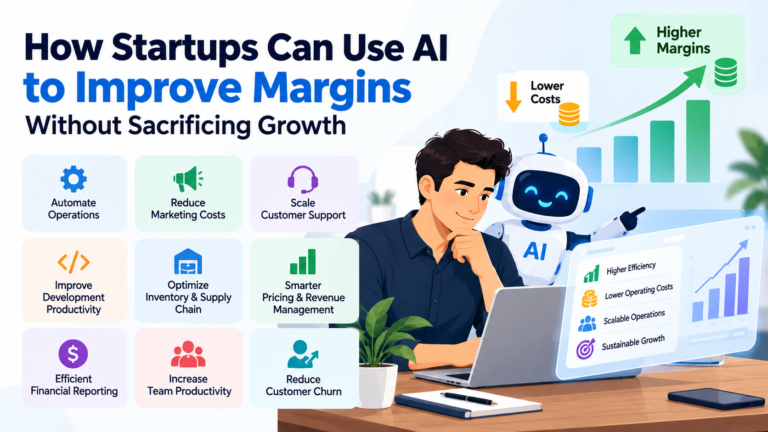
AI’s rapid advancements are transforming business landscapes, offering new possibilities for enhancing productivity and closing skills gaps. However, successful AI integration requires a careful balance between leveraging technological tools and preserving the irreplaceable human elements in leadership and decision-making.
Understanding AI’s Role in Business
The incorporation of AI into business has dramatically redefined how organizations function, transforming corporate landscapes across various sectors. Since 2023, AI’s influence has become increasingly pervasive. Companies are not just adopting AI but actively integrating it into their core operations, revolutionizing productivity, decision-making, and strategic development. The argument for AI’s integration is no longer a futuristic vision but a present-day necessity, fundamentally altering the conventional business models.
AI technologies have shown remarkable potential in automating routine tasks, freeing up human resources for more intricate roles that require critical thinking. This shift enables businesses to focus on innovation and competitive strategies. By minimizing human error and enhancing operational efficiency, AI systems have become indispensable. Organizations are leveraging AI to dissect vast amounts of data to improve customer insights and drive personalization in service offerings. This data-driven approach to understanding consumer needs and behaviors allows businesses to tailor their offerings more precisely, significantly improving customer satisfaction and loyalty.
The healthcare sector illustrates one of AI’s profound impacts. AI systems are now crucial in predictive analytics, diagnostics, and personalized medicine. For example, AI-powered tools in diagnostic imagery can analyze x-rays, MRIs, and CT scans with precision, often surpassing human accuracy. This enhancement in diagnostic capabilities leads to earlier disease detection and timely intervention, ultimately saving lives and reducing healthcare costs. In surgical procedures, AI assists in real-time decision-making, outpacing human capabilities by processing data from innumerable surgeries to provide improved outcomes.
In corporate boardrooms, AI is increasingly embraced for strategic decision-making. It meticulously analyzes current market trends, competitor strategies, and financial projections to offer insightful recommendations, thereby revolutionizing how executives plan future growth. AI-driven analytics offer real-time updates and predictive modeling, enabling companies to make informed decisions swiftly. This capability is particularly valuable in volatile markets where timely adaptation can define a company’s success. Consequently, 40% of businesses report plans to increase their investment in AI technologies, underscoring their growing reliance on AI-driven insights for future-proofing their operations.
AI’s adoption extends beyond efficiency and strategy; it is also integral in addressing the perennial skills gap. As industries evolve, the lag in skillsets to meet new demands is evident. AI aids in bridging this gap by handling complex analyses and extrapolating insights that human workers cannot efficiently process. Furthermore, AI acts as a tool for employee development, providing personalized training modules that evolve with industry trends, ensuring workforce competencies align with market needs. This capability enables employees to upskill effectively, enriching their contribution to the organization and minimizing the gap between existing and required skills.
In its generative capacity, AI shows promise in creative processes, from content creation to product design. AI tools can produce nuanced content, draft complex reports, and even propose new ideas for product innovation, all grounded in intricate data analyses. This ability to generate content and solutions not only saves time but also ensures data-driven creativity. Imagine entire marketing campaigns conceptualized and executed by AI, relying on detailed consumer analysis and predicting engagement patterns. Such campaigns are born out of logic rather than intuition, offering a high degree of personalization and effectiveness.
The commitment to AI technologies in business is not without its challenges. The transition demands significant investment in infrastructure and a cultural shift within organizations. Employees need to be trained, and workflows realigned, which requires dedication and vision from leadership. Despite these hurdles, businesses recognize AI’s transformative power and are prepared to adapt, innovate, and invest. The undeniable advantage lies in recognizing AI not just as a tool but as a strategic ally that reshapes operational paradigms and fosters sustainable growth.
The critical exploration of AI in business contexts reveals profound shifts in traditional operational methods. AI empowers companies across sectors to achieve remarkable productivity, innovation, and competitive advantage. With AI’s capacity in handling tasks and generating actionable insights, it’s clear that its adoption is not just about technology but a holistic business strategy. As businesses prepare for the future, AI’s role as a cornerstone in crafting visionary business tactics will only intensify. Given the statistic that 40% of firms aim to enhance their AI investment, it’s apparent that AI is more than a technological trend; it’s a fundamental component of the business evolution journey.
AI’s rise showcases the industry’s recognition of its potentials and limitations. Successful integration requires astute management to leverage AI’s full scope without over-reliance, which will be critical when exploring this chapter’s subsequent section about AI’s limitations in leadership. Employers and professionals must consider these dynamics, ensuring AI is employed to complement human intuition and capabilities, enhancing rather than hindering business operations. This balanced approach will be essential for maximizing the competitive edge AI offers while navigating the complexities of modern business landscapes. To delve deeper into how technology shapes modern businesses, consider exploring insights on the impact of technology on driving success.
The Limitations of AI in Leadership
The integration of AI into leadership roles presents both opportunities and challenges. While AI is revolutionizing business operations by enhancing productivity and addressing skills gaps, it is essential to understand its limitations within the delicate sphere of leadership. The allure of AI’s potential can sometimes lead to an over-reliance that overlooks the intrinsic value of human attributes such as emotional intelligence and soft skills.
AI shines in processing vast amounts of data and providing analytics. Yet, its proficiency in collating information does not translate seamlessly into making insightful leadership decisions. Leadership is inherently complex, requiring a deep understanding of human emotions, motivations, and intricacies that AI cannot replicate. Emotional intelligence allows leaders to make nuanced decisions influenced by empathy, intuition, and experience. These are vital for fostering a positive workplace culture, building trust, and motivating teams.
Consider the role of a team leader tasked with resolving a conflict between team members. AI’s data-driven approach might suggest solutions based purely on historical data or general patterns, devoid of context or empathy. However, a leader guided by emotional intelligence would actively listen to the individuals involved, gauge their emotions, and consider personal circumstances, potentially leading to a more thoughtful and effective resolution. Such human-centric approaches underscore why emotional intelligence is indispensable in leadership.
Over-relying on AI in leadership can result in significant unseen costs. Prioritizing data-driven decisions over human insight may save time or money initially, but impacts on workplace dynamics could be profound. When decisions lack consideration of human factors, organizations risk eroding trust, lowering morale, and stifling creativity. This could manifest as increased staff turnover, reduced engagement, and ultimately, a decline in productivity. These repercussions are not immediately apparent on financial statements but undeniably affect a business’s long-term health.
The importance of soft skills in leadership is another area where AI falls short. Skills such as communication, adaptability, and conflict resolution are key components of effective leadership. While AI can enhance processes and support decision-making, it cannot emulate the genuine rapport and dialogue required to inspire and align a team. For instance, a leader’s ability to adapt to unforeseen changes can reassure and guide a team through uncertainty. In contrast, AI’s rigid framework and lack of human insight might struggle to accommodate such fluidity.
Soft skills also promote a sense of fairness and inclusivity. An AI tool may simply adhere to a set protocol or algorithm, potentially overlooking biases inherent within its programming. A leader, aware of these limitations, can inject fairness and adapt strategies to foster an inclusive environment. Approaching leadership with a balance of analytical insights and human empathy strengthens team cohesion and collaboration, cultivating a workplace where innovation flourishes.
A scenario demonstrating these intricacies involves implementing company-wide changes that affect employee roles. An AI-driven approach might purely assess efficiency metrics, suggesting restructuring based solely on data. However, leaders with strong emotional intelligence recognize the invaluable nature of stakeholder input and feedback. By engaging employees, seeking their perspectives, and communicating transparently, leaders can steward change in ways that maintain morale and trust. This approach not only mitigates resistance but can also yield innovative solutions that an AI might overlook.
Moreover, decision-making processes that are strictly data-driven may stifle creativity and innovation, vital elements for business success. The nuances of creativity involve lateral thinking and the ability to perceive possibilities beyond historical data. Companies that rely excessively on AI might inadvertently cultivate a workforce that prioritizes compliance and conformity over exploration and boldness. This is particularly concerning in industries that thrive on creativity, such as marketing and product development, where the human touch can make the difference between standard offerings and groundbreaking innovation.
In light of AI’s rising influence, leaders need to critically assess how to integrate AI without diminishing human insight and interaction. By viewing AI as a collaborative tool rather than a replacement, businesses can leverage the best of both worlds. The challenge lies in understanding that despite AI’s powerful capabilities, its leadership role must remain supportive rather than directive. For further insight into balancing AI with human skills, exploring the evolving trends in AI Market Trends could offer valuable perspectives.
Ultimately, effective leadership in the age of AI is about harnessing technology to augment, not overshadow, the profound and irreplaceable capabilities of human beings. Leaders must continuously cultivate emotional intelligence and soft skills to navigate the challenges and opportunities presented by AI. By doing so, they can create a harmonious environment conducive to growth, innovation, and long-term success.
Leveraging Human Skills with AI Tools
The integration of AI in business settings provides a unique opportunity to amplify human skills rather than replace them. Success hinges on blending AI’s strengths in data processing with human intuition and insight. In sports, this synergy provides a vivid illustration. Teams use data analytics to monitor performance metrics, enhance training, and devise game strategies. However, relying solely on AI’s data-driven insights can be a double-edged sword. Just like coaches and players who adapt mid-game based on experience and intuition, businesses must leverage human skills to interpret AI insights effectively.
AI can analyze massive amounts of data, identifying patterns that humans might miss. In basketball, for instance, AI tools evaluate player movements, shooting accuracy, and match-up dynamics. These insights inform coaching strategies, optimizing lineup and play styles. Yet, no algorithm can completely account for the unquantifiable elements like player morale, team camaraderie, and individual creativity under pressure. These elements, often visible only to seasoned coaches, can turn the tide during crucial moments.
Maintaining a delicate balance is key in managing AI integration. Leaders in organizations and sports alike must be wary not to let AI undermine human capabilities. Instead of dictating decisions, AI should provide supplementary information, enhancing the decision-making process. For example, an AI might suggest that a football team should attempt more passes based on statistical analysis of past matches. Still, a coach relies on experience to determine if conditions or player form necessitate a different approach. This collaboration can help teams devise flexible strategies that can adapt in real-time to evolving scenarios.
Leaders in business environments face similar challenges. AI can crunch financial data to predict market trends or consumer behavior. But, pure reliance on numbers may overlook unpredictable human variables, such as changes in consumer sentiment or cultural shifts. A marketing executive might use AI-generated insights to fine-tune campaigns, yet understanding the target audience’s changing preferences requires a human touch. Recognizing the limits of AI’s computational prowess and the indispensable value of instinct and empathy, leaders create robust strategies that support human insight without undermining it.
In baseball, front offices have incorporated AI tools for talent recruitment and match preparation. The “Moneyball” approach gave rise to data-driven scouting and roster management, offering an analytical edge. AI can evaluate player potential, game-day conditions, and optimize strategic planning. Nevertheless, the ultimate decision rests with managers who harness data to evaluate player psychology, team culture compatibility, and leadership dynamics—elements critical to team harmony and success.
For leaders to maintain a productive balance between AI and human skills, they must foster an environment where AI is seen as an ally, not a threat. They can facilitate training programs for employees to empower them to work effectively with AI tools. Encouraging teams to rely on their creativity and collaboration, while making data-driven decisions, cultivates a culture that thrives on innovation. In such an environment, AI serves to enhance human capacity, fostering collaboration between the analytical and the intuitive.
Executives need to embrace a mindset that values the complementary nature of AI and human intuition. When work processes are reimagined with AI as a partner, teams can channel efficiency into innovation. The human element transforms AI-generated insights into actionable strategies. For instance, in soccer, AI might propose a tactical shift based on opponent analysis, yet only coaches can perceive the ebb and flow of player chemistry and morale, making informed adjustments based on real-time observations.
This synergy between human and AI marks a paradigm shift, urging leaders to invest in cultivating a workforce adept at interpreting AI insights. AI cannot simulate the human penchant for relationship-building and empathy—qualities that are critical in creating lasting connections with clients and stakeholders. People navigate interpersonal dynamics, anticipate unique challenges, and forge strong networks, bolstered by AI’s capabilities to augment these processes.
In organizations, AI integration translates to more than just data output; it is about enhancing the richness of the decision-making process. A marketing team might utilize AI to dissect consumer data, yet humans craft the narrative that resonates with audiences, informed by cultural nuances AI might miss.
To navigate the demands of an AI-augmented landscape effectively, leaders must strike a harmonious balance between data and intuition. Encouraging employees to challenge AI insights with critical questions, testing assumptions, and voicing intuitive counterpoints can advance team capabilities. By promoting a culture of healthy skepticism and creative problem-solving, leaders help ensure that AI complements rather than curtails human potential.
Businesses that can achieve this balance position themselves at the vanguard of innovation. AI accelerates analyses and fosters new insights, but human judgment and empathy inform the decisions that propel organizations forward. When AI and human abilities harmonize, the cumulative strength of data and intuition creates unmatched advantages—enabling teams to respond adeptly to unforeseen challenges and capitalizing on emergent opportunities.
Ultimately, the shift towards a synergistic model underscores the importance of developing skills that empower people to work alongside AI effectively. This transformation invites leaders to rethink traditional workflows while fostering environments that embrace the confluence of human insight and artificial intelligence. Through strategic implementation and training initiatives, leaders safeguard against dehumanizing workspaces, ensuring that AI remains an asset that magnifies rather than diminishes human connection and insight. For more on how to maximize efficiency and capitalize on collaboration with tools, see the strategies outlined in maximizing efficiency.
Final words
A balanced approach to AI integration focuses on enhancing business operations through AI tools while maintaining essential human elements in leadership and decision-making. AI should be a supportive tool, not a replacement for the unique human skills in communication, empathy, and insight. Encourage leaders to leverage AI insights in harmony with their natural leadership abilities for optimal results.