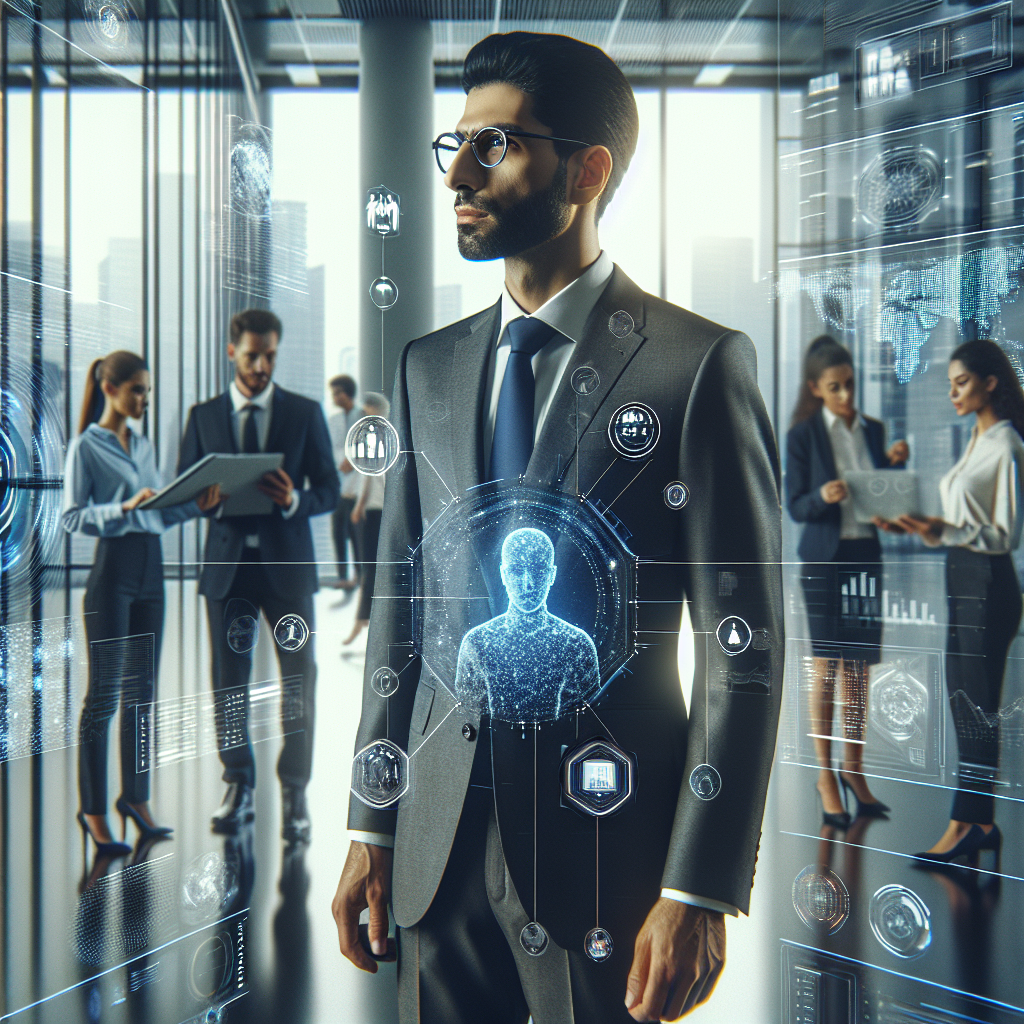
AI’s rise in 2023 has transformed various industries, but effective integration requires business leaders to balance technology with irreplaceable human insight. While AI provides valuable tools for data analysis and productivity, it cannot replace the emotional intelligence crucial for successful leadership and team cohesion. This article explores strategies for blending AI’s capabilities with human skills to optimize business outcomes.
The Rise of AI in Business
The year 2023 marked a significant turning point for AI applications in business. Post-2023, AI has evolved from a theoretical concept to a critical component of business operations across industries. Over recent years, advancements in AI have transformed various business functions, enhancing efficiency and reshaping organizational strategies.
AI has rapidly moved beyond serving as a tool for automation to being an integral part of strategic decision-making processes. For instance, in finance, AI algorithms are now essential for predictive analytics and risk management. Retail has witnessed an AI-enabled shift where personalized customer experiences are driven by vast data analytics. Similarly, in logistics, AI optimizes supply chain management by predicting demand and managing resource allocation efficiently.
At the highest levels of business, AI integration is being rigorously discussed. Business leaders see AI as a strategic tool capable of driving growth and innovation. As AI technologies continue to mature, there has been a marked increase in corporate investment. Companies allocate a significant portion of their budgets to integrate AI into their digital transformation roadmaps. This commitment reflects a widespread belief that AI can solve critical productivity challenges and enhance competitive advantage.
AI’s potential to improve business productivity spans various areas, including employee task management, data processing, and customer engagement. In HR, AI-driven recruitment tools streamline the hiring process, helping to identify the best candidates efficiently. Marketing teams utilize AI for personalized advertising, ensuring campaigns reach intended audiences more effectively. This level of productivity enhancement is vital in allowing businesses to focus human resources on innovation and nuanced decision-making.
Nevertheless, the excitement surrounding AI is coupled with cautionary tales about over-reliance on technology. Business leaders recognize that while AI offers substantial benefits, it also carries risks. Over-dependence on AI may lead to diminished human skills and innovative capabilities. The concern is that as AI increasingly automates decision-making processes, there could be a decline in critical human competences such as creativity, critical thinking, and interpersonal skills.
The misalignment between AI capabilities and human expertise can lead to challenges. AI excels in data processing and pattern recognition but falls short of human-like understanding and contextual judgment. Thus, maintaining a balanced integration between AI and human inputs becomes essential. Leaders emphasize the importance of nurturing human skills alongside AI-powered tools to manage this equilibrium effectively.
Given the rapid pace of AI adoption, companies prioritize developing their workforce’s soft skills and leadership capabilities. The value of human insight cannot be overstated, and many organizations invest in training programs focused on enhancing emotional intelligence, communication skills, and strategic thinking. The ability to interpret AI-generated data through a humanistic lens remains a crucial business skill that supports organizational growth.
In this AI-driven environment, businesses are reimagining the roles and responsibilities of human workers. Employees are encouraged to develop skills that AI cannot replicate, such as interpersonal communication and empathetic leadership. Creating work environments that promote human creativity and innovation is paramount for long-term business success.
Additionally, companies are taking steps to incorporate ethical considerations into their AI adoption strategies. Maintaining transparency in AI decision-making processes ensures fairness and fosters trust among stakeholders. AI systems should be designed to augment human capabilities, not replace them, thus reinforcing the significance of ethical AI integration.
Even as AI reshapes various industries, certain sectors demonstrate the enduring importance of human expertise. The sports industry, for example, perfectly illustrates the balance between AI capability and human judgment. While AI can analyze player performance data and predict outcomes with remarkable accuracy, it lacks the intuition and experience that coaches and athletes bring to high-stakes games. This underscores the role of human insight in complementing AI-driven strategies.
AI’s rise in business circles highlights the pressing need for responsible integration. Businesses must tread carefully to avoid pitfalls that over-reliance on AI might bring while leveraging its power for productivity gains. By focusing on cultivating human skills and designing AI systems that enhance rather than diminish human roles, business leaders can harness AI’s potential in a balanced manner.
For those interested in exploring how business leaders view AI’s strategic importance, AI Market Trends provides valuable insights into current and future trends in AI technology. The post-2023 era of AI signifies a pivotal moment for industries, promising innovation alongside the necessity of preserving human elements within business processes.
As AI continues to evolve and its applications expand, navigating the fine line between technology and human skills will be vital. Business leaders must adopt a forward-thinking approach that embraces AI’s advantages while safeguarding human talent and ingenuity. This careful balance will ensure organizations remain competitive in an increasingly intelligent landscape.
The Role of Human Insight in AI Integration
The integration of AI in business is a journey of balancing machine capabilities with human insight. It’s crucial for leaders to understand the role they play in harnessing AI’s potential. Human insight is pivotal in supplementing AI’s technological advancements. Machines can process vast amounts of data quickly, but they lack emotional intelligence and the nuanced understanding of complex human dynamics.
Leaders possess emotional intelligence, a major component in successful leadership. It involves understanding and managing emotions effectively. Empathy, a vital part of emotional intelligence, allows leaders to connect with others on a personal level, enhance teamwork, and manage conflict more effectively than AI. When teams face stressful or high-pressure situations, leaders utilize empathy to guide their teams through challenges.
Soft skills, such as communication, empathy, and problem-solving, are indispensable in today’s AI-driven world. These skills ensure that AI applications are used effectively and ethically. For instance, communication is key when making data-driven decisions understandable to teams unfamiliar with AI complexities. Leaders need to translate AI recommendations into actionable strategies.
An illustrative example is in the realm of sports. While predictive algorithms can analyze player performance and suggest strategies, human coaches often outperform these predictions by considering factors machines cannot. Coaches understand team chemistry, player motivations, and psychological states. Intel like these drive decisions, such as resting a star player to prevent injury, something algorithms might miss by focusing solely on statistics.
Problem-solving requires creative thinking beyond mere data processing. AI can analyze patterns and trends, but when faced with unique challenges, human creativity becomes vital. Leaders think outside traditional frameworks and reach innovative solutions by combining data insights with their experiences.
In business meetings or negotiations, emotional nuances play a significant role. AI might prioritize data-centric insights, potentially missing the subtleties of human interaction, which can change the course of negotiations. The ability to read a room, gauge reactions, and alter approaches accordingly is a human capability that AI cannot replicate.
Leaders consistently encounter scenarios where human judgment is crucial, despite AI’s advanced data processing capabilities. For example, during crises, quick decision-making is needed. AI excels in data analysis but can’t assess the human element required for sensitive situations. Leaders, drawing from their insights, can redirect strategies swiftly, taking into account the intricate human elements involved.
Moreover, ethical considerations often require deep contemplation beyond the binary logic AI offers. Decisions that impact human lives demand a sense of moral judgment. Leaders apply their understanding of cultural, social, and emotional contexts to navigate these situations.
A notable scenario involves corporate restructuring. While AI can identify redundancies, it cannot consider the human cost of such decisions. Leaders must weigh the benefits of cost-cutting against potential impacts on company culture and employee morale.
In creative industries, like marketing and advertising, human insight triumphs over AI’s analytical abilities. While AI can suggest trending topics or analyze consumer preferences, it lacks the creative mind needed to tap into emotions and create memorable, human-centric campaigns.
In summary, the synergy between AI and human insight creates a holistic approach to problem-solving. Leaders layer AI insights with their emotional intelligence, empathy, and communication skills, turning data into meaningful action. Recognizing when to prioritize human judgment over AI recommendations leads to well-rounded decisions that drive businesses forward.
For a deeper understanding of SEO and how the right blend of technology and human creativity can enhance business strategies, check out this guide to SEO mastery.
Finding the Right Balance
Balancing the power of AI with human skills is pivotal for maximizing efficiency and impact. Businesses must navigate this intersection cautiously yet boldly, ensuring they capitalize on AI’s transformative capabilities while preserving the human qualities that drive innovation, creativity, and intuitive decision-making.
AI excels at processing massive datasets, identifying patterns, and making predictions with unparalleled speed and accuracy. However, the essence of effective leadership lies in human capabilities such as empathy, creativity, and nuanced understanding. The true challenge for business leaders is to blend AI’s analytical prowess with human intuition harmoniously.
To achieve this balance, leaders should implement strategic training and development programs. Employees must understand AI’s capabilities and limitations. Training should focus on enhancing technical skills related to AI tools while also fostering soft skills like communication, empathy, and problem-solving. This dual approach ensures teams are technically competent and emotionally intelligent, creating a workforce poised to make the most of AI advancements while maintaining their human touch.
A key strategy is adopting a complementary role between AI and humans. AI should serve as an augmentative force, enhancing human capabilities, not replacing them. For instance, in the healthcare industry, AI can analyze patient data to predict potential health issues. However, physicians use their expertise and empathy to interpret these predictions, considering factors AI might overlook, such as patient history, emotional state, or environmental influences.
Best practices for integrating AI with human workforces focus on collaboration. Encourage teams to view AI as a colleague rather than a competitor. Develop case studies within your organization that showcase successful AI-human collaboration, highlighting how AI’s insights improved outcomes without overshadowing human contributions. This narrative shift will foster a culture of cooperation and openness towards AI tools.
Leaders must also exercise discretion in deploying AI tools, ensuring they do not become a crutch that stifles creativity and intuition. AI algorithms can suggest decisions or courses of action, but humans should remain the ultimate decision-makers. Maintaining this authority reinforces trust in human judgment and prevents undue reliance on AI.
Creating feedback loops between AI tools and human users is another vital strategy. Encourage employees to provide insights about AI’s performance, sharing areas where AI meets expectations and those where it falls short. This feedback enhances the AI system’s learning process and reinforces humans’ indispensable role in refining AI’s utility.
Moreover, to prevent over-reliance on AI, businesses should ensure transparency in AI systems. Employees must understand how AI algorithms make decisions. This clarity demystifies AI operations and helps users make informed choices about when and how to rely on AI recommendations. Transparent systems are vital for building trust and ensuring employees remain engaged, confident in their ability to match AI’s insights with human perspectives.
Allocating roles based on strengths is another practical step. AI’s precision is valuable where consistency and speed are paramount, such as data processing or logistical operations. Conversely, humans should lead tasks demanding creativity, moral judgment, or interpersonal interactions. This role allocation capitalizes on each side’s strengths, ensuring neither is underutilized or overwhelmed.
Promoting continuous learning within organizations helps maintain this equilibrium. The pace of AI development means tools and algorithms are constantly evolving. Employees tasked with leveraging these tools must keep pace with advancements. Encourage a culture of learning, emphasizing that expertise in AI tools complements, rather than overshadows, human skills.
Ethical considerations should also guide AI integration. As systems grow more autonomous, ensuring they align with company values and societal norms becomes crucial. Human oversight remains key in enforcing these ethical standards, ensuring AI outputs don’t deviate from accepted principles.
For actionable steps, businesses should implement frameworks that outline how AI complements specific roles. This can be formalized through job descriptions or workflow guidelines that specify AI’s contribution and human responsibilities. Create committees to monitor AI’s impact on decision-making, adjusting practices if over-reliance is perceived.
Leaders should make conscious efforts to nurture an environment where human intuition is celebrated alongside AI capabilities. Innovative solutions often arise from the synergy of human creativity and AI precision. For example, in manufacturing, AI can optimize supply chains, while humans can devise creative solutions for unforeseen disruptions.
Finally, regularly assess AI integration’s impact on team dynamics and performance. Use metrics that measure not just efficiency gains but also employee satisfaction and innovation levels. Regular evaluations help identify areas where AI supports or hinders human elements, allowing for adjustments that preserve balance.
As businesses chart their course through the AI landscape, embracing strategies that join AI’s strengths with human ingenuity will ensure a future where both coexist productively. AI can transform industries, yet its full potential can only be realized when harmonized with the human spirit’s creative and adaptive capacities. This balance creates resilient organizations ready to thrive in any environment, adeptly navigating both digital and human realms.
Understanding AI Market Trends can further guide leaders in aligning their strategies with industry developments, ensuring they remain at the forefront of technological progression while grounding their practices in essential human insight.
Final words
AI holds immense potential for businesses, but leaders must skillfully integrate it with human insights. Maintaining a balance between technological advancements and human intuition ensures better decision-making and enhanced team dynamics. Emphasizing emotional intelligence in leadership and using AI as a supportive tool rather than a crutch will lead to more sustainable business success.